Photography Safaris
Built around light, patience and the perfect frame.
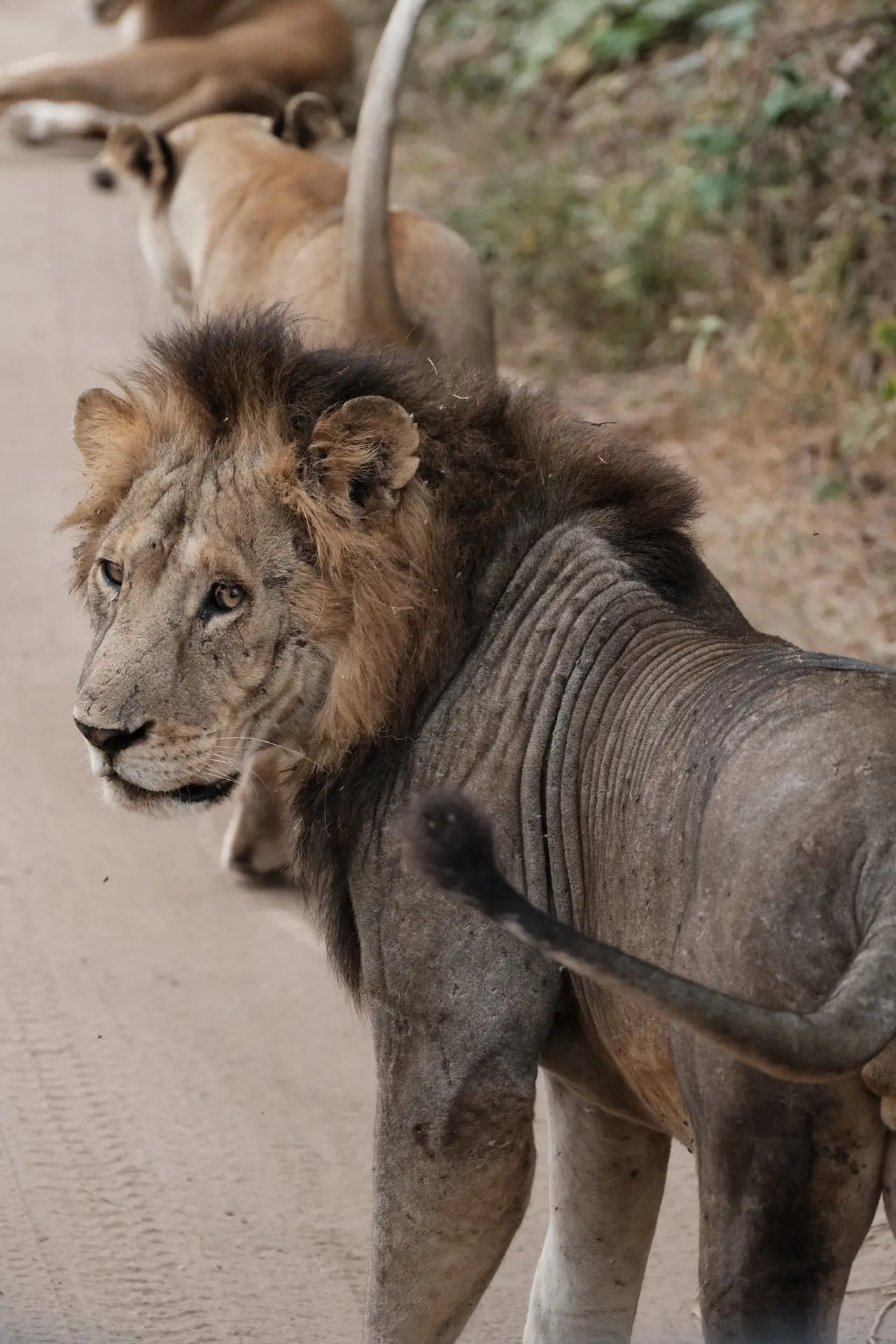
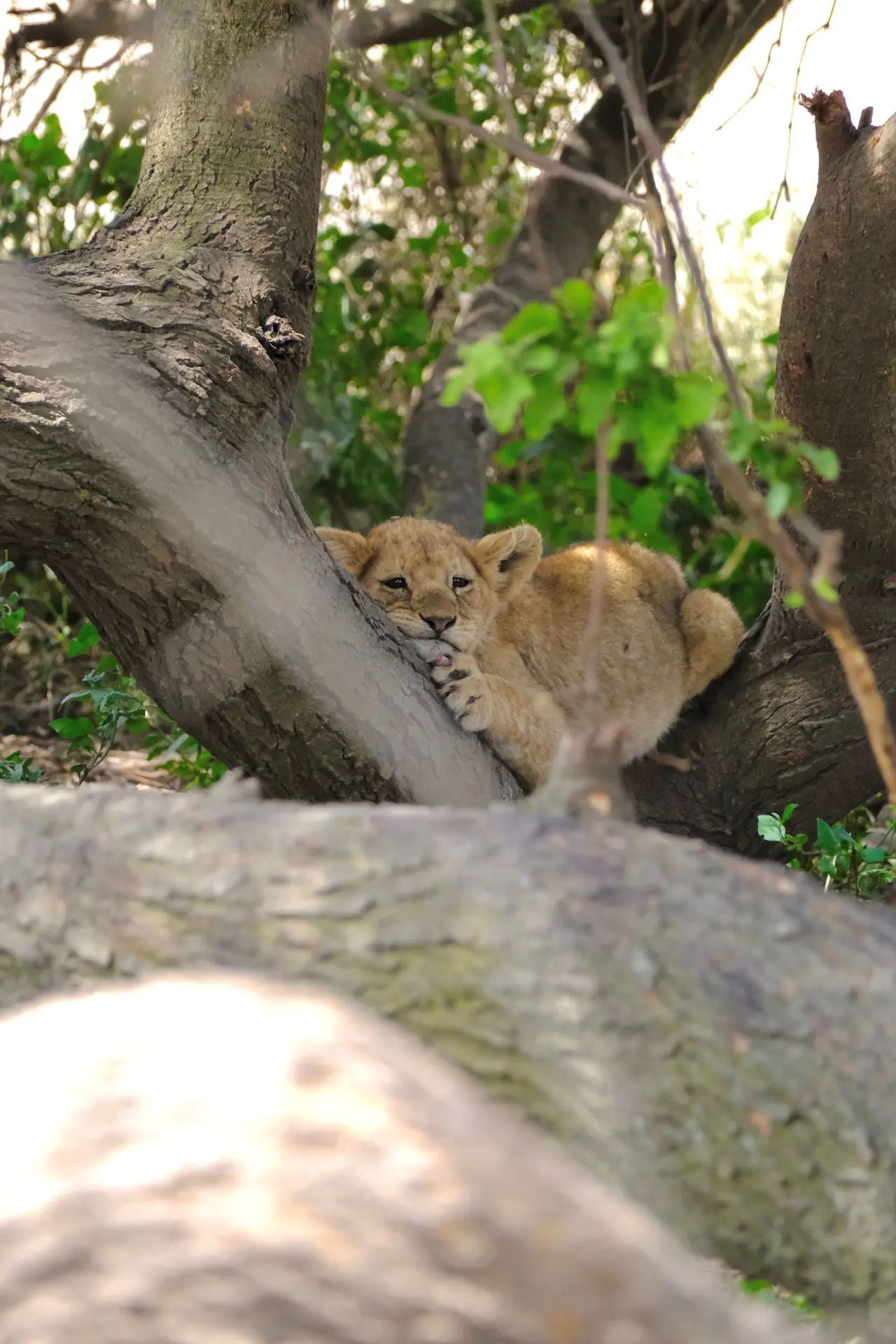
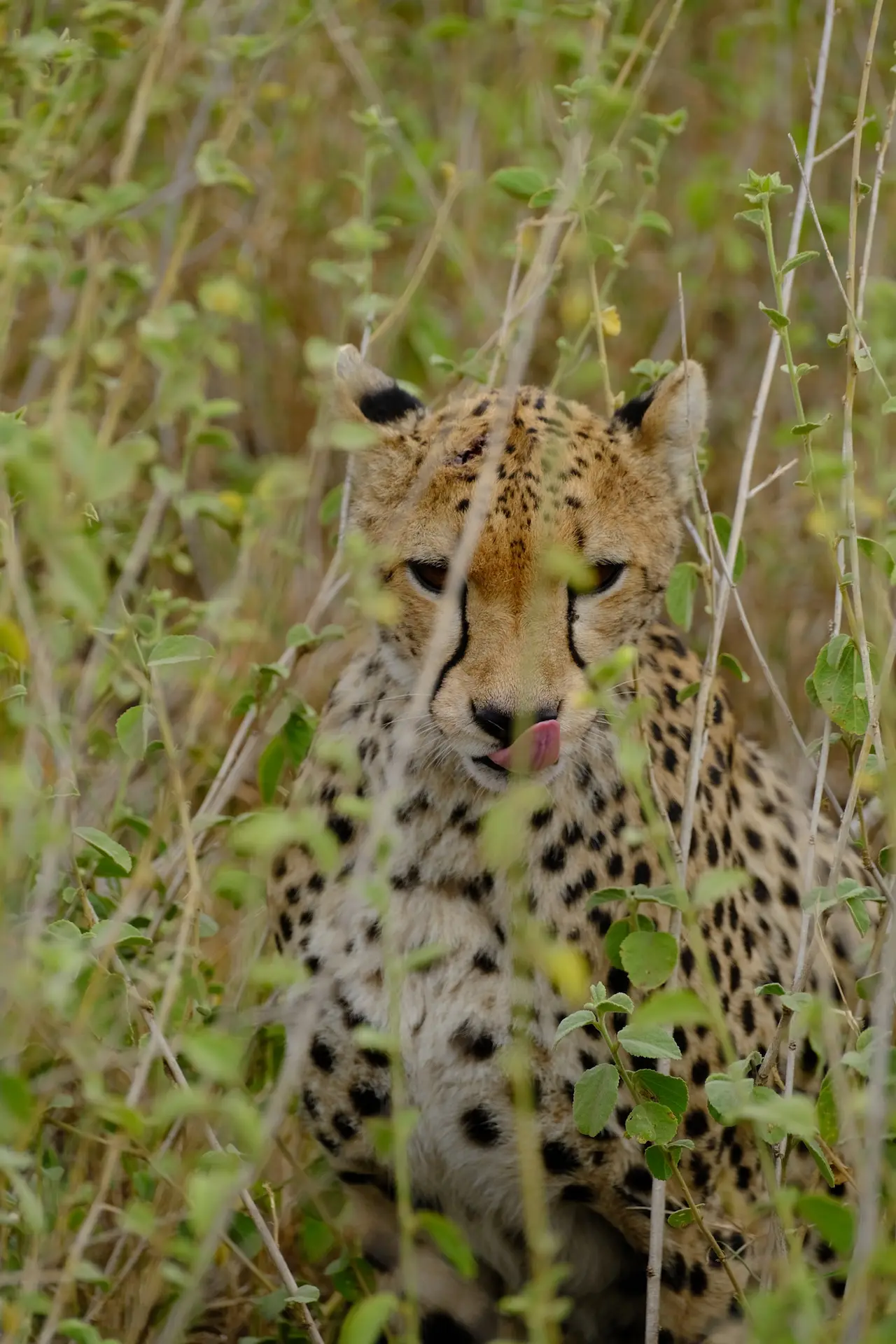
Most photography-safari questions we get are about gear. The honest answer is that gear matters less than people assume. What matters is a guide who understands where the light will be in twenty minutes, and a vehicle that can hold position without forcing the shot.
We build these itineraries around fewer stops, longer waits and smaller groups. That is the same patience the animals themselves are running on, and it is the difference between a record of a sighting and a photograph worth printing.
Position, not proximity
A vehicle parked in the right place an hour early beats one that arrives late and crowds the subject. Our guides read movement and set up ahead of it.
Two light windows a day
Game drives are shaped around the first and last hours of light rather than a fixed schedule, with the middle of the day given back to you.
Room to work
Smaller groups and private vehicle use throughout, so nobody is shooting over a shoulder or waiting for a seat to clear.
Where these run
Serengeti
The migration circuit, and the predator density that comes with it.
Laikipia
Conservancy land in Kenya with low vehicle traffic and habituated wildlife.
Amboseli
Large elephant herds with Kilimanjaro behind them, best in clear early light.
Ruaha & Nyerere
Southern Tanzania, far quieter than the northern circuit.
Udzungwa
Forest and endemic primates, a different discipline to open plains.
Zanzibar
A slower close, and a change of subject after weeks of wildlife.
When to come
June to October gives the cleanest conditions: thin vegetation, concentrated game and predictable light. January and February put you on the southern Serengeti plains for calving, which is the strongest month for young animals and for predators working in the open.